
I burned out. As a Type A, high-achieving, recovering people pleaser, I didn’t know how to give less. I gave everything to work I loved, and over time it cost me my rest, my focus, and time with the people who matter most.
Maybe you’re there now. You’ve given your all at work and at home, and there’s nothing left. Here’s what I learned: you can’t outwork burnout. But you can recover what’s yours, rebuild rhythms that restore you, and protect what matters. For me, the Full Focus Planner became the tool that helped me do all three. Here’s how it can help you too.
This post contains affiliate links, including links to Full Focus and Amazon. If you purchase through them, I may earn a commission at no extra cost to you. As an Amazon Associate, I earn from qualifying purchases. As a Full Focus Certified Pro, I only recommend resources I believe in.
1. Recover From Burnout: Get Honest About Where You Are
You can’t recover from what you won’t admit. When you’re running on fumes, “I’m just tired” becomes the default answer, and it hides what’s really happening. For parents, it’s rarely just work, either. The mental load at home adds up too, and tracking your stress shows you both. Burnout isn’t laziness or weakness. Usually it means you’ve been carrying more than one person was meant to carry. Organizational psychologist Adam Grant puts it this way: burnout isn’t in your head. It’s in your circumstances.
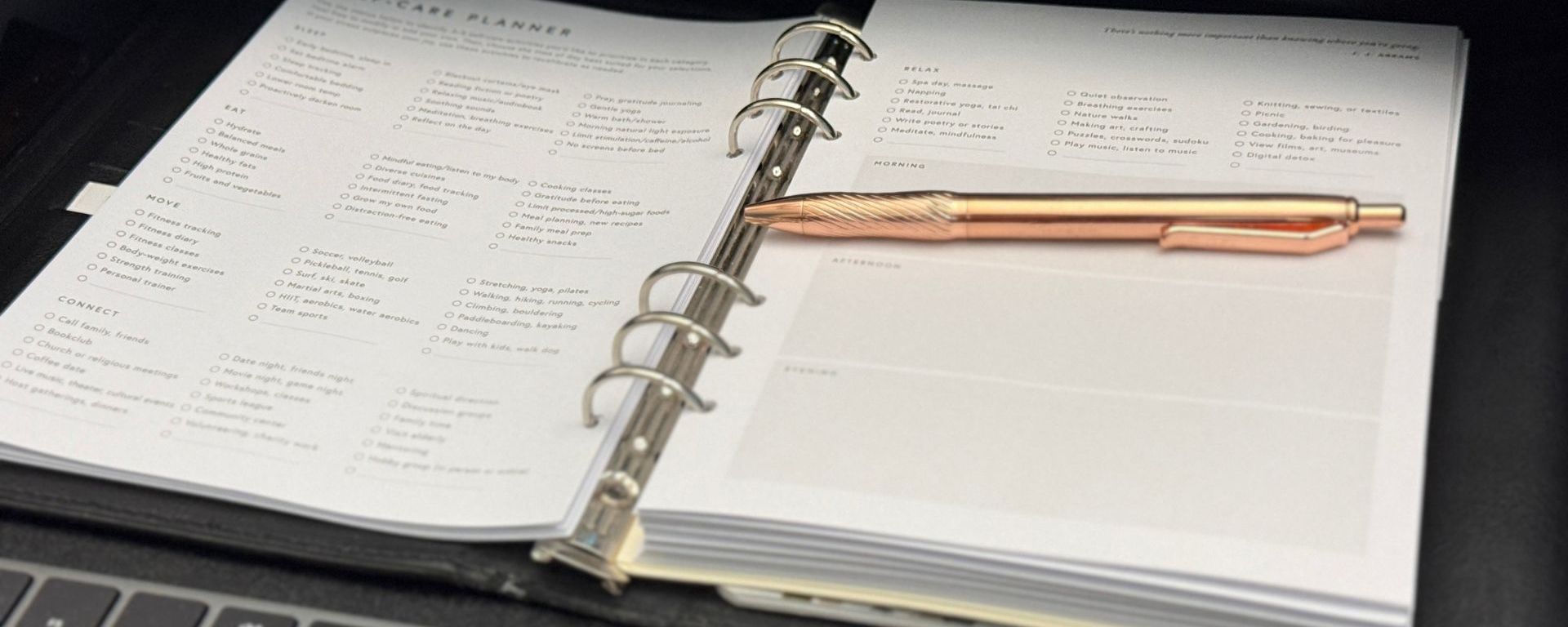
That’s where the Full Focus Wellness Planner starts. It includes everything in the original Full Focus Planner, plus daily space to track your stress and joy, your water and nutrition, and your self-care goals. It may seem small, but writing those things down each day turns a vague feeling into a pattern you can see. And once you can see it, you can do something about it.
For high achievers, this part is humbling. We’re used to tracking output. The Wellness Planner asks you to track you. Start there. Recovery begins when you treat your own well-being as something worth measuring.
2. Rebuild What Restores You: Make Rest a Rhythm, Not a Reward
Many of us treat rest like something we earn after the work is done. But for a high achiever, the work is never done. If you wait until everything is finished to rest, you’ll never rest. Rest isn’t stepping away from your responsibilities. It’s what lets you keep showing up for them. That’s why recovery has to become a rhythm, or it won’t last.
The Ideal Week is where that rhythm takes shape. Instead of letting everyone else’s demands fill your calendar, you decide ahead of time where your best hours go: focused work, family time, and the rest and solitude that keep you grounded. It won’t play out perfectly every week, and it doesn’t need to. It gives you a default to come back to. For families, that might mean protecting dinner together or a weekly family night the same way you’d protect an important meeting.
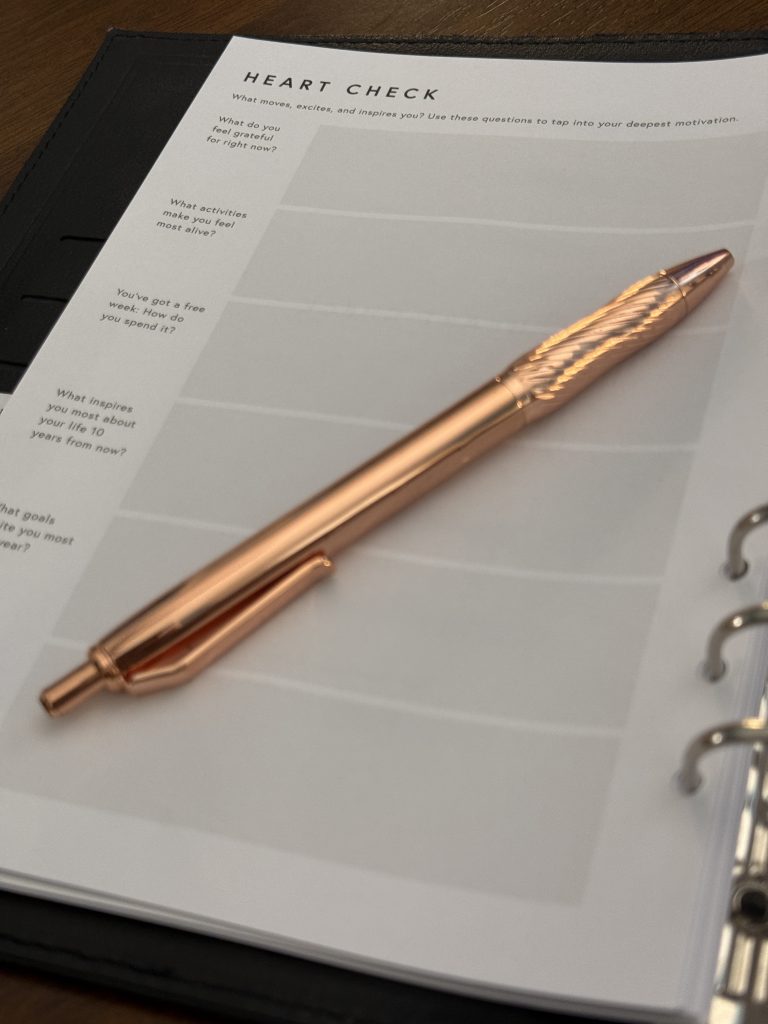
Not sure what restores you? The Heart Check page asks questions like what makes you feel most alive and how you’d spend a free week. Start there, then build your Ideal Week around your answers.
Rituals make that rhythm automatic. A simple morning and evening routine means you don’t have to rely on willpower when you’re already running low. For working parents especially, a consistent shutdown ritual can be the difference between being physically home and actually being present.
And tying it all together is the Daily Big 3. Instead of a to-do list that never ends, you choose the three most important things for the day. Most things feel urgent in the moment, but very few actually are. Naming your Big 3 forces you to decide what truly matters today. Finish all three, and the day is a win. Make progress, and that counts too. Some days your Big 3 will be a Big 1, and that’s okay. Parenting has taught me that every season is different, and some seasons are about survival. Unfinished isn’t failure. Give yourself grace and pick it back up tomorrow. If perfectionism is part of your struggle, Grant’s episode on breaking up with perfectionism is worth a listen. The planner is a guide, not a set of chains.
3. Protect What Matters: Build an Early-Warning System
Burnout rarely arrives all at once. It creeps in one extra commitment, one skipped evening, one “just this week” at a time. Protecting your future means catching it early. Saying no early is much easier than recovering later. Every yes costs time and attention from somewhere else, and often that’s from home. Dr. Richard Swenson calls the space between your load and your limits margin, and his book Margin is one I recommend to anyone running on empty.
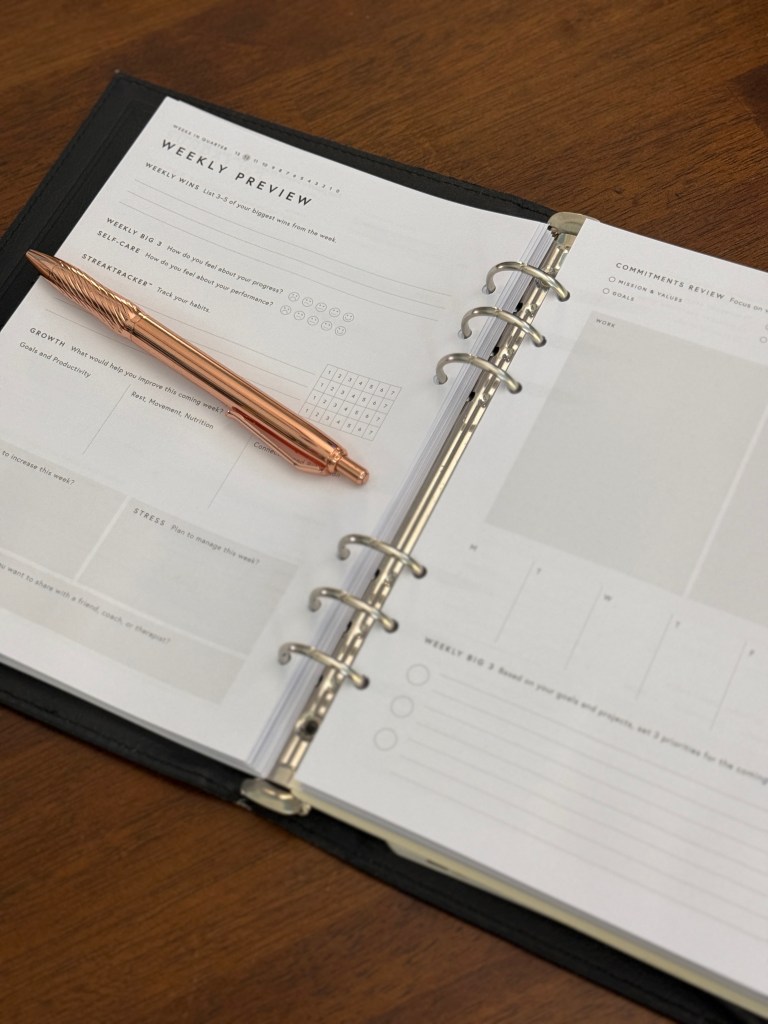
The Weekly Preview is your first line of defense. Once a week, you look back at what worked, what didn’t, and what drained you, then plan the week ahead with that in mind. Paired with the Wellness Planner’s daily stress and joy tracking, you’ll start noticing warning signs weeks before they turn into a crisis. Pro tip: don’t fill it out and forget it. Glance at your Weekly Preview at the start and end of each day to make sure you’re still on course.
The Quarterly Preview zooms out further. Every 90 days, you step back to ask whether your goals still match your why, and whether the pace you’re keeping is one you can sustain. It’s also a good time to check that family priorities haven’t been crowded out by everything else. For me, this is where I learned to protect what matters. In a previous role, I let others dictate where my time and energy went. Now I decide that first, before someone else’s priorities quietly take its place.
You can’t control every environment you’ll find yourself in. But you can control how often you stop, look honestly at your life, and choose what to guard.
Frequently Asked Questions
Can a planner really help with burnout?
Yes, it can. Willpower fades with exhaustion, competing needs, and every urgent thing demanding your attention, and a generic to-do list gets lost in the noise. Some fires do need to be put out, but not every fire is yours to fight. The Full Focus framework builds in the reflection and preparation you need to decide what stays and what goes. A planner isn’t a substitute for medical or mental health care, though. If your burnout feels severe or isn’t getting better, talk with a doctor or counselor.
What’s the difference between the Full Focus Wellness Planner and the original Full Focus Planner?
The Wellness Planner includes everything in the original, including the Daily Big 3, Ideal Week, and Weekly and Quarterly Previews. It adds daily space to track your stress and joy, water and nutrition, self-care goals, and more.
Is the Wellness Planner worth it if I’m already burned out?
Yes! Start small. Begin with the daily pages and focus on the next right thing. Make it a Big 1, and work up to a Big 3 as you’re able. Don’t let the full system overwhelm you. Use what you need to get your head above water, then add the Ideal Week and Previews when you’re ready.
How do I keep from burning out again?
Make a habit of asking a few honest questions every day, week, and quarter: Is this essential? Is it truly urgent, or does it just feel that way? Does it fit my current season, my family’s needs, my calendar, and my personal and professional goals? Can I say no, or at least not right now? Those questions build margin before you need it.
You Don’t Have to Keep Running on Fumes
If you’re a high achiever who’s given everything and has nothing left, hear this: burnout isn’t proof that you failed. It’s a signal that something needs to change, and the good news is that change is possible. Healing is possible.
Recover by getting honest about where you are. Rebuild with rhythms that make rest normal. Protect your future with regular check-ins that catch the warning signs early. These principles will help no matter what tool you use. But if you want a simple structure built around all three, the Full Focus Wellness Planner is the one I recommend.
As a Full Focus Certified Pro, I’ve seen what this system can do when it’s used with intention, in my own life and in the lives of others. If you’re ready to start, get your Full Focus Wellness Planner here.
Burnout took a lot from me, but it didn’t get the final word. On the other side, I’ve found new hope and joy. You can too.
Discover more from Michael Hansen
Subscribe to get the latest posts sent to your email.


